Kitchen Drain Cleaning: Why Grease Buildup Is a Bigger Problem Than You Think
Grease, soap scum, and food debris accumulate inside kitchen drain lines over time. Learn how professional cleaning restores flow and prevents backups.
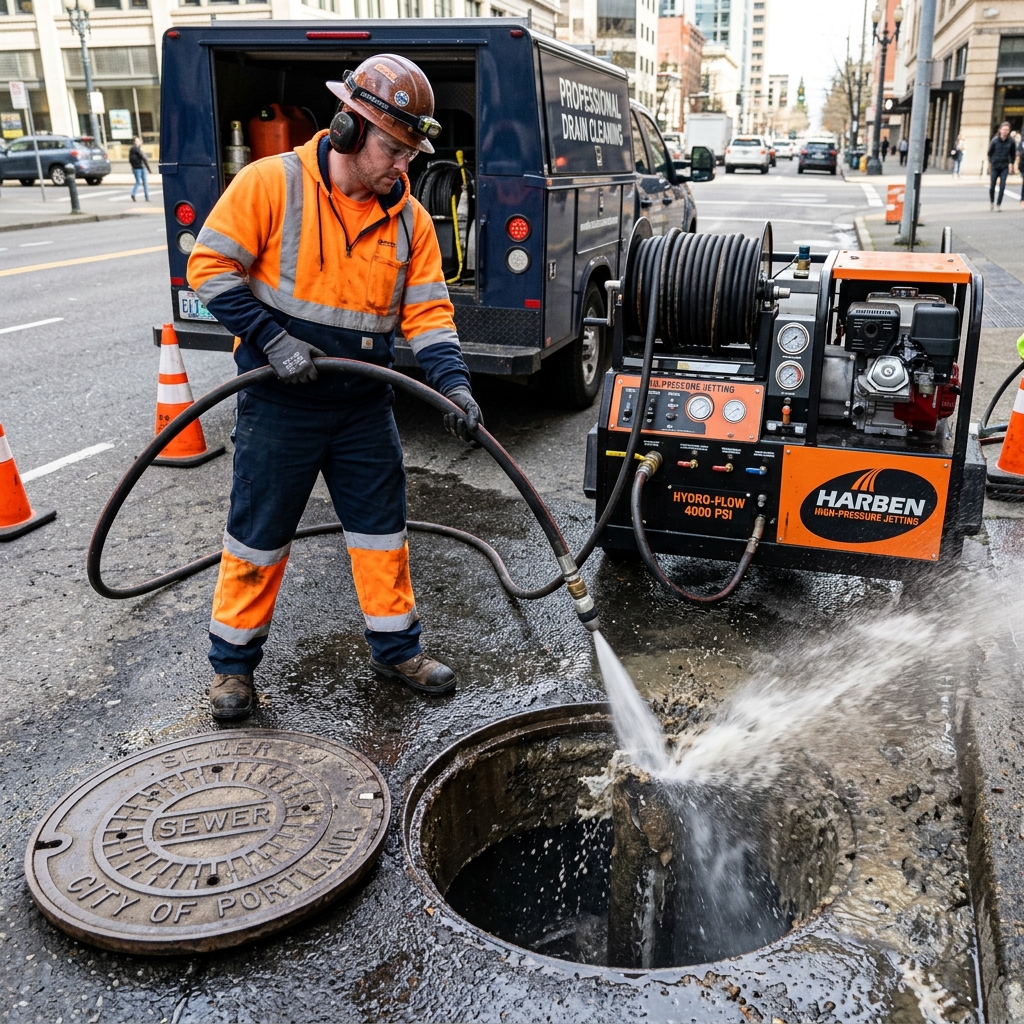
Your kitchen drain handles more abuse than any other drain in your home. Every time you wash dishes, rinse a pan, or run the disposal, grease, soap, food particles, and oils flow into the drain line. Over time, this material coats the interior walls of your pipes, gradually reducing flow until the drain barely works at all.
In Duluth homes with older cast iron kitchen drain lines, grease buildup is the number one cause of drain blockages. Understanding why it happens and how to prevent it can save you significant money on emergency plumbing calls.
How Grease Buildup Clogs Your Kitchen Drain
When hot grease or cooking oil flows down your drain, it is in liquid form. But as it travels through your pipes and cools, it solidifies and adheres to the pipe walls. Each time more grease goes down the drain, another layer is added. Over months and years, this buildup narrows the pipe opening from 4 inches down to a fraction of that.
Soap and detergent make the problem worse, not better. Soap combines with grease to form a sticky, calcium-like substance that is even harder to remove than grease alone. This is why running hot water and dish soap after pouring grease down the drain does not actually prevent buildup — it just moves the problem further down the line.
Signs Your Kitchen Drain Has Grease Buildup
Grease buildup develops gradually, so the signs often creep up slowly. You might not notice the problem until the drain is significantly restricted. Here are the telltale indicators.
- Water pools in the sink and takes longer to drain than it used to
- The drain occasionally backs up during heavy use (Thanksgiving, holiday cooking)
- Unpleasant sour or rancid smell from the drain opening
- Gurgling sounds when the dishwasher drains
- Frequent need to plunge the kitchen sink
Why Chemical Drain Cleaners Are Not the Answer
It is tempting to pour a bottle of chemical drain cleaner down a slow kitchen drain. These products use caustic chemicals — often sodium hydroxide or sulfuric acid — to dissolve organic material. The problem is that they also corrode your pipes, especially older cast iron and galvanized steel common in many Duluth homes.
Chemical cleaners also only create a narrow channel through the clog. They do not remove the grease coating the pipe walls. Within weeks, the channel closes again and you are back to a slow drain — but now with weakened pipes. Professional mechanical and hydro jetting cleaning removes the full buildup safely.
Professional Kitchen Drain Cleaning Methods
Professional plumbers use two primary methods to clean kitchen drain lines. A motorized drain snake (auger) is effective for punching through and retrieving solid blockages. For grease buildup specifically, hydro jetting is the gold standard — it uses high-pressure water to scour the entire pipe interior, removing every layer of accumulated grease and restoring the pipe to near-original capacity.
For Duluth homes with older cast iron kitchen drains, we always perform a camera inspection first to verify the pipe condition. This ensures the cleaning method we use is appropriate for your specific pipe material and condition.
Preventing Kitchen Drain Clogs
Prevention is always cheaper than repair. These simple habits will dramatically reduce grease buildup in your kitchen drain line.
- Never pour cooking oil, grease, or fat down the drain — collect it in a container and dispose of it in the trash
- Scrape plates thoroughly into the trash before rinsing in the sink
- Use a mesh drain strainer to catch food particles
- Run cold water (not hot) for 30 seconds after using the garbage disposal — cold water solidifies grease so the disposal can chop it up
- Schedule professional drain cleaning every 1-2 years for older homes
When to Call Duluth Plumbing
If your kitchen drain is consistently slow despite your best efforts, or if it has backed up more than once, professional cleaning is the cost-effective solution. We clear the full blockage, verify the pipe condition with camera inspection, and provide recommendations to prevent recurrence.
Call Duluth Plumbing at (218) 227-4082 to schedule kitchen drain cleaning. Most appointments are completed the same day.
⚡ Related Plumbing Services in Duluth, MN
The topics covered in this article are directly related to these professional services we offer throughout Duluth and surrounding Minnesota communities.
Not sure which method you need?
Call (218) 227-4082 — our team will diagnose the problem accurately.
Service Areas: Duluth, MN & Surrounding Communities
Duluth Plumbing serves homeowners and businesses throughout the greater Duluth area. Find your community below to learn about plumbing services near you.