Pipe Lining vs Full Pipe Replacement: Which Saves More Money?
CIPP lining and traditional replacement both solve the same problem — but the costs, timelines, and disruption differ significantly. Here's how to decide.
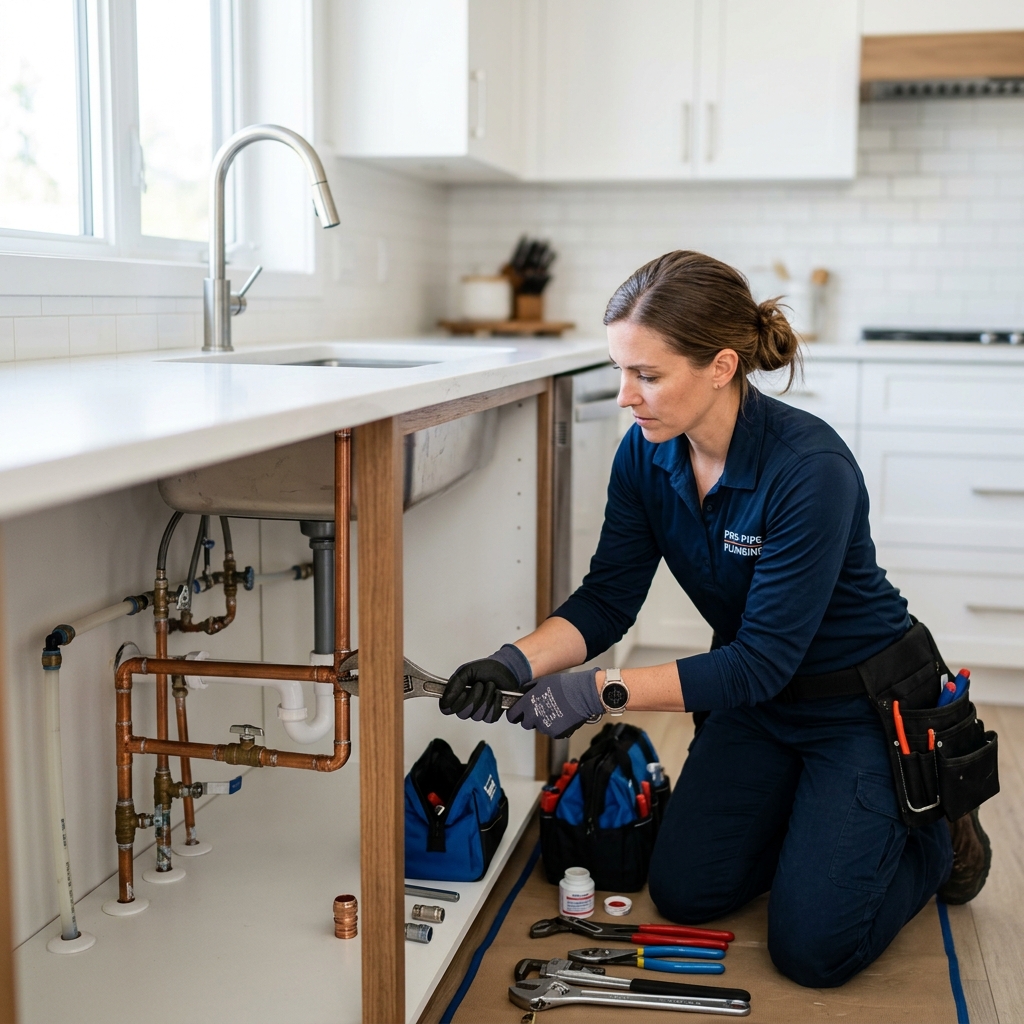
When your sewer line needs attention, you have two primary options: line the existing pipe or replace it entirely. Both solve the problem, but the costs, timelines, disruption levels, and long-term outcomes differ significantly. Making the right choice requires understanding what each method involves and when each is appropriate.
Here is a straightforward comparison to help you evaluate your options.
CIPP Pipe Lining: Repair from the Inside
CIPP pipe lining rehabilitates your existing sewer pipe by installing a new pipe-within-a-pipe. The old pipe stays in the ground, and the liner creates a smooth, seamless, root-resistant interior surface. Lining preserves your yard, driveway, and landscaping because it requires only small access points — no trenching.
Lining is completed in one day for most residential projects, and the liner has a rated service life of 50+ years. It is the ideal solution when the pipe is structurally sound but has interior deterioration, root intrusion, cracking, or corrosion.
Full Pipe Replacement: Start Fresh
Full replacement removes the old pipe and installs new pipe material — typically PVC for residential sewer lines. This is necessary when the old pipe has collapsed, has severe bellying that cannot be addressed with lining, or is made of materials like Orangeburg that have no structural integrity remaining.
Traditional replacement requires open-trench excavation. In Duluth, this can mean cutting through frozen ground in winter, removing and replacing landscaping, driveways, and sidewalks, and dealing with city permits if the replacement crosses public property.
Cost Comparison
The total cost comparison is not as straightforward as comparing the price per linear foot of each method. You need to factor in the full picture.
- Pipe lining: Higher per-foot material and labor cost, but minimal restoration expense
- Pipe replacement: Lower per-foot pipe cost, but excavation, backfill, compaction, and surface restoration add significantly to the total
- Restoration costs after traditional replacement can include: driveway repaving, sidewalk replacement, landscaping reinstallation, lawn reseeding, and fence or deck repair
- When restoration costs are included, pipe lining is often comparable to or less expensive than full replacement
- For pipes under structures (driveways, patios, additions), lining is dramatically less expensive because it eliminates the need for structure demolition and rebuilding
Which Option Is Right for You?
The answer depends entirely on camera inspection findings. If your pipe has enough structural integrity to support a liner and the interior deterioration is the primary issue, lining is almost always the best value. If the pipe has collapsed or has severe structural failure, replacement is the necessary path.
At Duluth Plumbing, we evaluate each pipe individually and recommend the approach that delivers the best long-term outcome for your investment. We never recommend replacement when lining will do the job, and we never recommend lining when the pipe needs replacement.
Schedule Your Assessment
Start with a camera inspection. It is the only way to make an informed decision. Duluth Plumbing provides comprehensive sewer assessments with written reports and repair options at transparent pricing.
Call us at (218) 227-4082 to get started.
⚡ Related Plumbing Services in Duluth, MN
The topics covered in this article are directly related to these professional services we offer throughout Duluth and surrounding Minnesota communities.
Not sure which method you need?
Call (218) 227-4082 — our team will diagnose the problem accurately.
Service Areas: Duluth, MN & Surrounding Communities
Duluth Plumbing serves homeowners and businesses throughout the greater Duluth area. Find your community below to learn about plumbing services near you.